ONCE AGAIN, BACK TO MEMPHIS
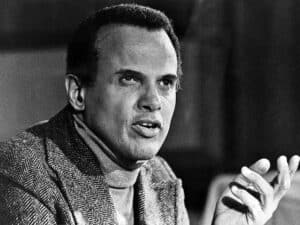
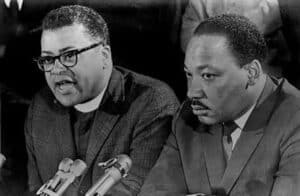
I have written several times about my time in Memphis, Tenn., focusing on civil rights activism and my opportunity to teach at a black college. Although I was only in Memphis for three years, it proved pivotal for me, both personally and professionally. Dr. King was murdered in Memphis while I was living there, and civil rights issues were front and center. The Presbyterian college, Southwestern at Memphis, where I taught, was just beginning to explore enrolling Black students, and my family and I joined a Black Presbyterian Church. My son and I marched in the “I AM A Man” march and saw several well-known Black leaders, such as Harry Belafonte and Rev. James Lawson Jr.
At the heart of my years there was the opportunity to teach part-time at LeMoyne College for three semesters. Needless to say, it was a wonderful, eye-opening experience. For me, that meant 19,000 people at these concerts. The best part was getting to know several of my Black students as personal friends. It was also a very difficult time for my young son and me because my wife left us to marry another man in California. I formed several lasting relationships with my Southwestern students and became active as a publishing scholar. But my encounter with the Black community and its distinctive qualities remained central to my experience there.
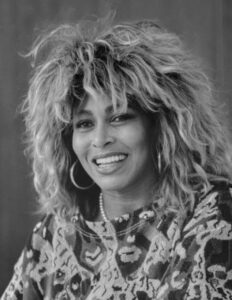
Yet, in a sense, the most memorable part of my time in Memphis was attending several Black musical events that featured top-notch performers, each sharing their own take on Soul and Straight-Ahead Black music. My son and I went to three such concerts, and each time we were blessed with performances by the likes of well-known musicians such as Rufus (Walkin’ the Dog”) and Carla Thomas, Eddie Floyd, and various backup sound groups, and, of course, Smokey Robinson himself. One year, Michael Jackson came and showed off his backward-walking routine (“Moon Walk”). Ike and Tina Turner were there, a couple of years before she rightfully went off on her own and became “The” Tina Turner.
For me, the high point of these shows was the closing jazz number by James Brown himself, complete with all his crazy “fall down/get-up” antics and his classic “I Feel Good.” Of course, his “closing number” went on for a good half-hour, with all sorts of pretend collapses and recoveries. In between all this were frequent trumpet blasts from the backup group’s familiar riff: “Na, na, na, and a Na, na, na.” To be sure, the 95 percent Black audience (I kid you not) loved every minute of it, as did we tag-along whites. Of course, Memphis was particularly famous for its rhythm and blues, but the spirit of soul music was taking its place alongside it.
More broadly, the highlight of these concerts was the chance to see and hear Tina Turner take her first steps toward stardom. Her voice and style became a phenomenon in and of itself.
I even got to see and hear Tina in Helsinki, Finland, years later. She was a talent and a symbol all her own. In a way, Tina symbolizes the drive and depth of what we have come to call “Soul Music.” I am so grateful for the opportunity to experience her live and in person back in those days in Memphis. Now all we can do is “sit on the dock of the bay,” along with Otis Redding, and recall those good old days “watchin’ the tide roll away.”